


The case for imagination
History is full of futures that once seemed improbable.
Not long ago, the idea that most people would carry a supercomputer in their pocket sounded like science fiction. The internet was once dismissed as a niche tool for academics. Renewable energy was considered too expensive to compete with fossil fuels. Electric vehicles were treated as curiosities. If you’re like me, you’ll find that it’s difficult to imagine society without things like cell phones and the internet now.
Such is the paradox of progress: what was once difficult to imagine existing becomes difficult to imagine living without.
These transformations happened because people imagined something different from their current reality—and then spent years building it. The future rarely arrives all at once. It appears in fragments: a prototype, a pilot project, an early adopter, a breakthrough that hints at something larger to come.
That’s why I keep returning to this quote from author and activist Rob Hopkins:
“The fact that examples already exist in the present is evidence that the changes we are fighting for are absolutely possible.”
When it comes to food, I think we’re living through a similar moment. Ten years ago, cultivated meat was largely theoretical. Precision fermentation was still proving its potential. Most governments had not invested in protein diversification. Universities rarely taught cellular agriculture or fermentation bioprocessing.
Today, cultivated meat can be sold in three countries: Australia, Singapore, and the United States. Governments have invested billions in protein innovation and biomanufacturing. Scientists are reducing production costs, scaling manufacturing, and building entirely new fields of inquiry. Research centers, startups, pilot facilities, and public-private partnerships are emerging across every inhabited continent.
These developments don’t guarantee a particular future. But they do make something important possible: imagination.
At a moment when so many conversations are dominated by constraints and trade-offs, imagination is radical. Yet every major transformation begins with people asking not only what is, but what could be.
What would become possible if we imagined more resilient food systems? More scientific breakthroughs? More opportunities for farmers, workers, entrepreneurs, and students? A thriving ocean, healthier ecosystems, and abundant biodiversity? More nutritious food reaching more people in more places?
The reflections that follow are invitations to look at the examples already emerging around us and ask ourselves to think about what the next decade of food could look like if we imagined more for ourselves and for our planet.
Imagine more scientific breakthroughs
Nikhita Mansukhani Kogar, Ph.D., Principal Scientist, Plant-based
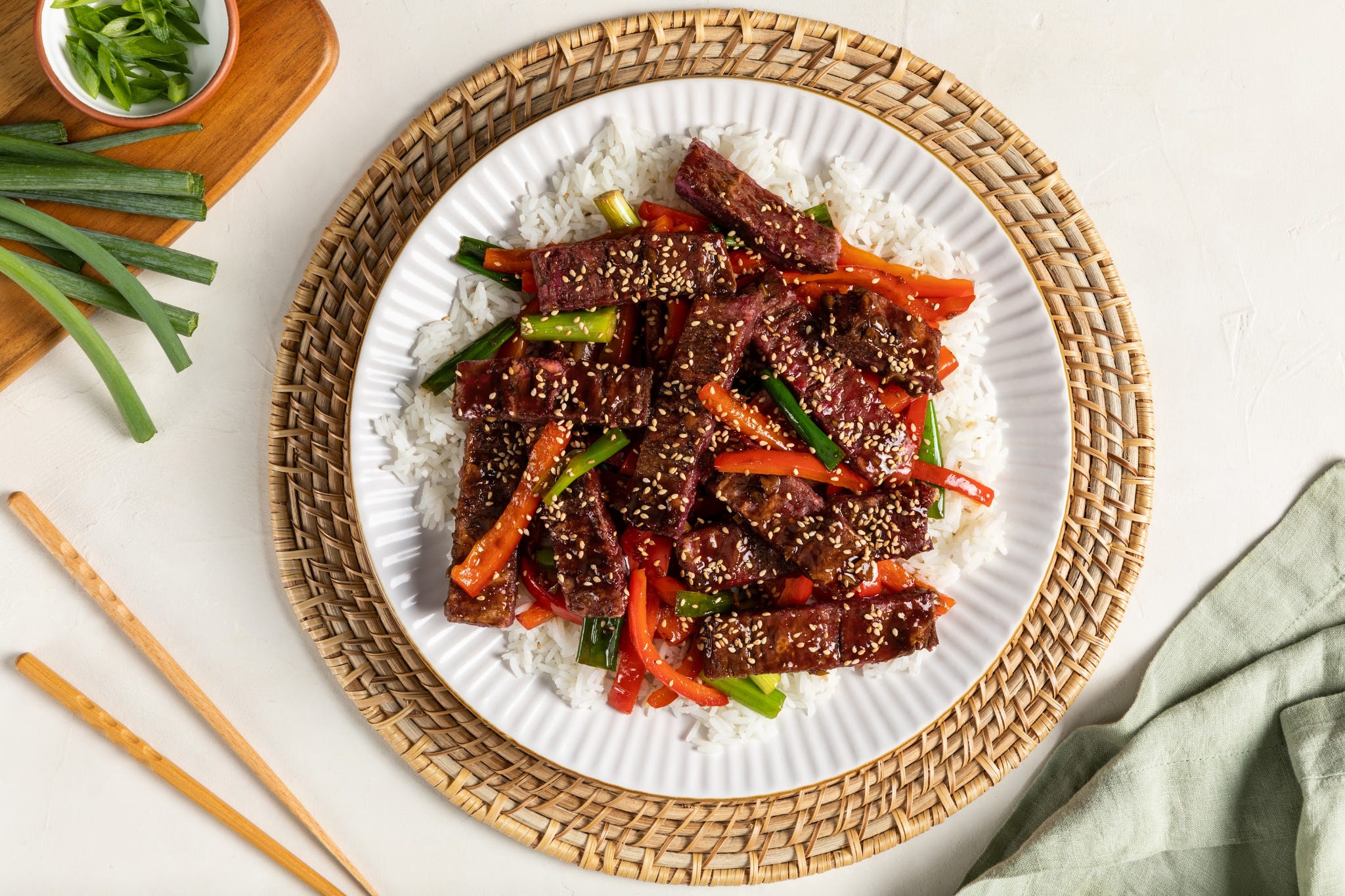
“The plant-based meat sector is almost unrecognizable from where it stood a decade ago, when it was still largely seen as a category for vegetarians and vegans.
Since then, science has helped move the sector onto a very different trajectory: one aimed at reaching flexitarian and mainstream consumers by better understanding what makes meat taste, cook, and satisfy the way it does, and by expanding the range of products the category can deliver.
Now imagine what could happen if we continue investing seriously in this science. Imagine universities around the world treating food systems innovation as a major scientific frontier, and young scientists across disciplines—from biology and chemistry to physics and materials science, engineering, data science, and crop science—seeing plant-based meat as one of the most meaningful problems they could work on.
What excites me most about the next decade is that we are only beginning to understand what becomes possible when that breadth of scientific talent and knowledge converge around a shared mission. Science is giving us tools to produce more nutrition with fewer constraints, fewer emissions, and greater resilience.
The next decade could unlock an entirely new scientific paradigm for food that no longer asks us to accept the tradeoff between feeding billions of people and preserving planetary systems. Instead, we build production systems capable of doing both simultaneously.”

Adam Leman, Ph.D., Principal Scientist, Fermentation
“Those of us in the fermentation biotech space have watched alternative protein science grow dramatically in a short amount of time. Ten years ago, researchers were still asking whether fermentation-derived ingredients could produce animal proteins or recreate the attributes of meat products. Here in 2026, scientists are developing continuous fermentation systems, AI-enabled process control, improvements in metabolic efficiency, open-access ingredient databases, and precision strain optimization.
That may sound technical, but what it really means is that this field is maturing into a true scientific discipline with the capacity to transform global food production at scale. The questions are no longer what these proteins can do for food functionality and quality, but the nuts and bolts of how we are going to make them efficiently, worldwide.
On the plant side, we’re seeing researchers improve digestibility in legumes before they ever reach manufacturing. In fermentation, researchers are creating mycoprotein strains optimized for productivity, stability, and taste. We’re seeing entirely new tools emerge for understanding texture, flavor, and cooking performance with extraordinary precision.
When I think about the next 10 years, I think about what becomes possible when these advances converge. When food science becomes one of humanity’s most important climate technologies. A system where crops are bred not only for yield, but for nutrition, flavor, and manufacturing efficiency simultaneously. I see fermentation systems that transform agricultural sidestreams into high-value proteins. It’s complex, there are many goals wrapped into each commercial product release, and it took longer than many people expected. However, the foundational work is leading to real advances and progress.
Imagining all of this gives me hope that we can design a food system that is no longer simply reacting to limitations but actively inventing entirely new possibilities for what food can become.
There’s a tendency to think of food as something ancient and fixed, but in reality, food has always been one of humanity’s greatest technological achievements. Agriculture itself was a radical innovation. Refrigeration was a radical innovation. Fermentation has powered civilizations for millennia. What we’re witnessing now is simply the next chapter in that story.”

Elliot Swartz, Ph.D. Senior Principal Scientist, Cultivated Meat
“Ten years ago, cultivated meat was still something many people associated with a single expensive burger, if they even knew what it was at all. Today, more than 140 cultivated meat companies exist globally, and products are on sale in three countries.
Regulatory pathways are being refined across multiple continents, and the establishment of new commercial facilities means that more products are on the way. We’ve already reduced media costs by more than 99 percent in some cases, dramatically expanded bioreactor capacity, watched AI accelerate process optimization across the field, and witnessed researchers develop shared cell lines and formulations that would have previously been guarded like trade secrets.
It’s been particularly inspiring to watch cultivated meat science become less siloed. We’re seeing a new era of collaboration emerge — universities building shared pilot infrastructure, governments funding translational research, startups partnering with incumbents, and scientists openly publishing findings that can move the entire field forward.
What could the next ten years look like if we continue at this pace? Imagine biomanufacturing hubs on every continent producing food, medicine, and critical materials with the flexibility to respond to climate shocks or supply chain disruptions. Imagine cultivated seafood produced close to coastal communities without putting pressure on oceans already stretched beyond their limits. Imagine children growing up understanding that meat can be produced with extraordinary precision, safety, and efficiency — not because they were forced to sacrifice tradition or joy, but because science delivered something better.
I think the greatest misconception about food innovation is that it asks us to accept less. What science is actually showing us is that we can create more: more resilience, more abundance, more food security, more biodiversity, and more possibilities for how humanity feeds itself on a changing planet.”
Imagine more policy pathways


Curt Chaffin, Senior Fellow, Regional Bioeconomies
“Ten years ago, only a relatively small group of governments had even begun engaging with the idea of protein diversification. Today, at least 33 countries are actively advancing these technologies, and cumulative public investment has surpassed $2.5 billion. That shift signals a growing understanding that food system resilience is inseparable from economic resilience and national security.
It’s exciting to see more governments approach protein diversification with this mindset. China is investing heavily in biomanufacturing infrastructure. Europe is funding scale-up loans and research hubs. Countries across the Asia-Pacific region are building shared fermentation facilities and developing regulatory pathways for cultivated foods. Researchers are finding ways to valorize local crops and agricultural sidestreams, creating entirely new revenue streams for farmers and rural communities.
Imagine what happens over the next ten years if governments continue leaning in. What I see is food strategies that prioritize resilience, biomanufacturing networks capable of producing food, pharmaceuticals, and other critical materials simultaneously, and a public procurement system that rewards innovation, nutrition, sustainability, and national security.
I also see something bigger taking shape. I see countries recognizing that the future of food is not only a problem to solve, but an opportunity to seize. An opportunity to create new industries, strengthen rural economies, attract scientific talent, and build supply chains that are more adaptable and secure.
When people think about infrastructure, they often think about roads, bridges, and ports. But I see food infrastructure becoming one of the defining policy questions of the next century. Countries that invest early will shape the future of global economic competitiveness.”


Ryan Huling, Senior Writer (GFI APAC)
“These are exciting days for protein innovation in Asia Pacific (APAC)—home to many of the biggest global milestones over the past decade.
Singapore pioneered cultivated meat approvals. China elevated new proteins within national biotechnology priorities and announced enormous investments in biomanufacturing infrastructure. South Korea enacted major food tech legislation. Australia opened the world’s largest cultivated meat facility. And the hits keep coming: In May 2026, European startup PARIMA, creators of Gourmey, completed Australia and New Zealand’s core safety assessment for its cultivated chicken—the latest indicator of how forward-thinking regulatory frameworks can drive new regional investments from abroad.
What’s particularly noteworthy in APAC is the diversity of approaches. Some countries are leading in fermentation, others in cultivated seafood, ingredient innovation, or advanced manufacturing. Collectively, they’re building a highly interconnected ecosystem capable of accelerating global progress.
Now imagine how much more advanced the region will be ten years from now. APAC’s food future will be shaped by increased urbanization, population growth, and climate pressures. These seismic shifts create colossal challenges—but also enormous opportunities for innovation.
Imagine densely populated city-states supplied by highly efficient regional protein production systems that reduce dependence on volatile imports. Imagine precision fermentation producing critical ingredients at scale with extraordinary efficiency. Imagine cultivated seafood helping to relieve pressure on threatened marine ecosystems and support subsistence fishers. Imagine a new generation of scientists, engineers, and entrepreneurs discovering protein innovation as one of the most exciting frontiers in technology. Imagine APAC becoming the place where the world first sees truly mass-market cultivated seafood or precision-fermented staple ingredients, affordably produced at industrial scale.
In short, Asia Pacific will serve as a model for how food innovation can make supply chains more efficient and resilient, while preserving cherished recipes and culinary traditions for future generations.”
Imagine more products that are an everyday choice for consumers

Jody Kirchner, Associate Director of Market Insights
“When you spend your days analyzing market trends and consumer behavior, one thing becomes clear: industries rarely transform in a straight line. The alternative protein sector is no exception. Over the past decade, the industry has experienced many of the same dynamics that have characterized other major category shifts—periods of rapid growth, market corrections, infrastructure buildout, technological advances, and ongoing refinement. Looking only at quarterly sales or investment fluctuations can obscure the broader story unfolding underneath.
Global retail sales of plant-based meat and seafood more than doubled over the past decade. Startups, multinational food companies, retailers, foodservice operators, universities, and governments are all contributing to a more diversified protein landscape in various ways. What was once a niche category has expanded its reach to mainstream consumers.
Not to mention that the products themselves are evolving rapidly. Improvements in taste, texture, functionality, and variety continue to make plant-based products more relevant. Advances in fermentation and cultivated protein technologies are expanding what’s possible, creating new products and experiences that were difficult to achieve just a few years ago. As innovation continues and more companies enter the space, consumers are likely to encounter alternative proteins in an increasingly diverse range of foods and formats.
Now imagine the next decade. Imagine food manufacturing systems that produce foods people genuinely crave while using resources more efficiently. Imagine regional protein supply chains that strengthen economic resilience and create new opportunities for food production. Imagine consumers benefiting from foods that are tasty, nutritious, and more affordable because manufacturing technologies have advanced.
And imagine alternative proteins no longer being viewed as alternatives at all. Instead, imagine a future where they are simply foods people enjoy, crave, and incorporate into their everyday routines—purchased not because they’re novel, but because they deliver on taste, value, convenience, and familiarity.”
Imagine more global innovation and collaboration
Gus Guadagnini, Chief Executive Officer (GFI Brazil)
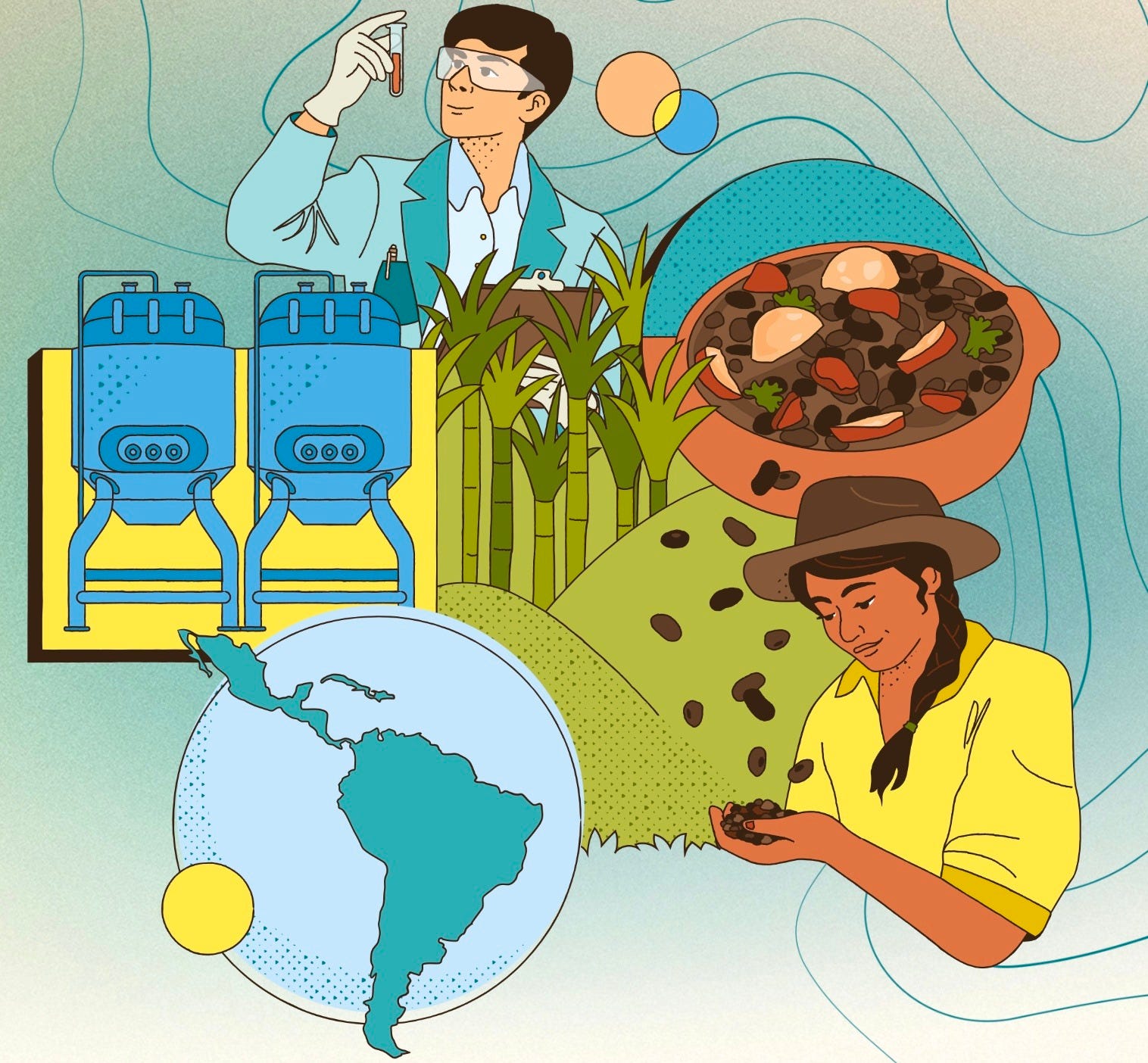
“Brazil is uniquely positioned to help define the future of protein diversification because it brings together many of the capabilities needed to solve global challenges at scale. We are one of the world’s leading agricultural producers, home to extraordinary biodiversity, and increasingly a center for biotechnology and food innovation.
What we’ve seen over the past several years is incredibly encouraging: state governments funding cultivated meat and fermentation research, universities launching advanced cellular agriculture programs, new mycoprotein facilities opening in Latin America, and regulators beginning to create clearer pathways for innovation.
What inspires me most is that this transformation can build on the strengths Brazil already possesses. Researchers are exploring how local crops, fungi, algae, and agricultural sidestreams can become the foundation of new industries. This is an opportunity to generate more value from our natural resources, strengthen scientific sovereignty, and help position Brazil as a global leader in the bioeconomy.
Brazil has repeatedly shown its ability to solve complex challenges in agriculture and food production. The next decade offers an opportunity to apply that same spirit of innovation to building a more resilient, sustainable, and prosperous food system.
Imagine a Brazil that fully harnesses its agricultural strength, biodiversity, scientific talent, and industrial capabilities to transform how food is produced. Imagine food systems that create economic opportunity, strengthen local communities, protect some of the planet’s most important ecosystems, and deliver solutions that can be adopted far beyond our borders. Imagine a country that helps demonstrate to the world that innovation, sustainability, and prosperity can advance together, creating a food system that works better for people, the planet, and future generations.”
Sneha Singh, Managing Director (GFI India)
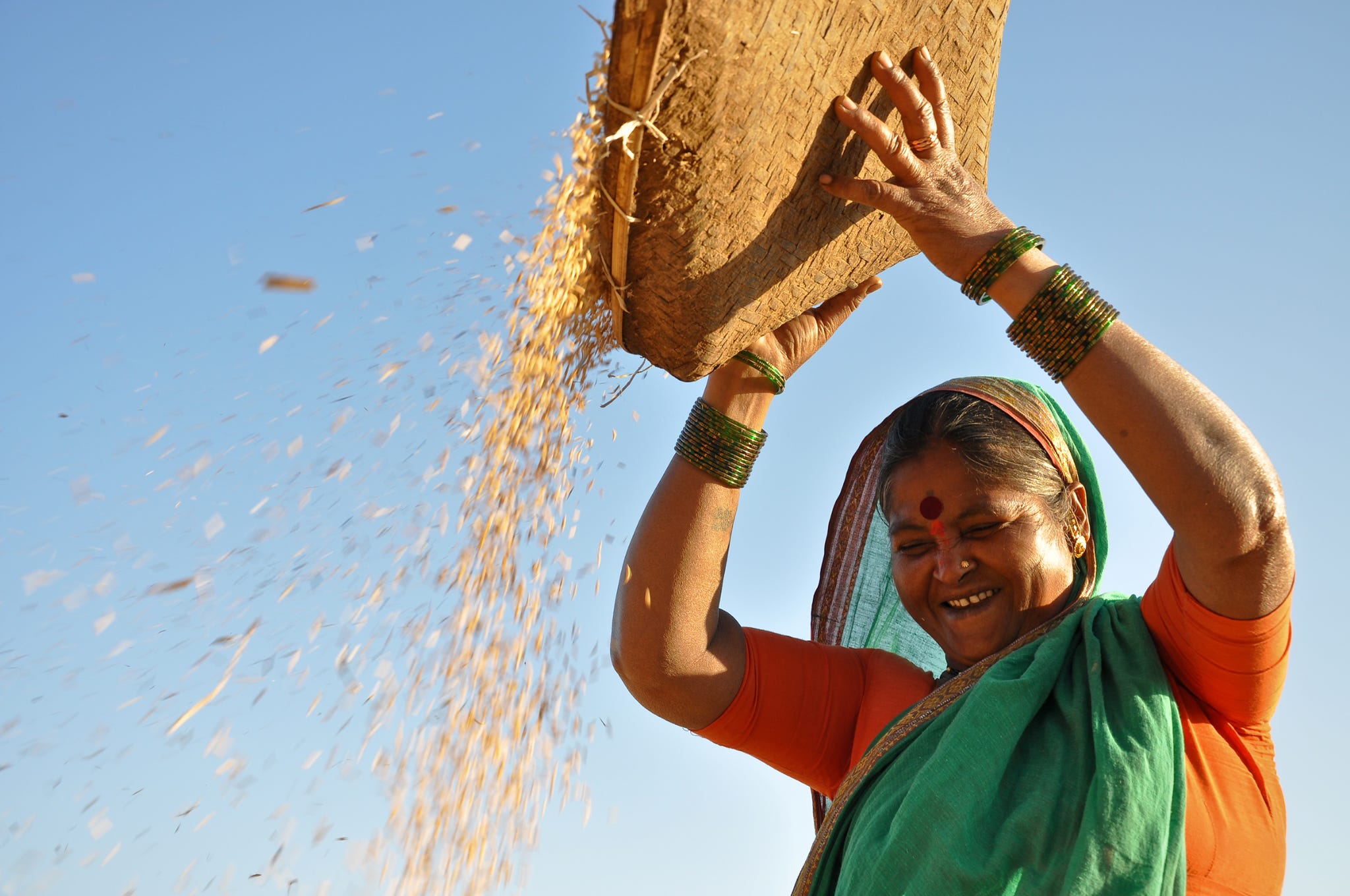
“India may become one of the most important alternative protein markets in the world not only because of its population size, but because of the opportunity to build a protein-diverse food system from the ground up.
India already has deep traditions around plant-forward eating, fermentation, and agricultural diversity. Over the next decade, those traditions could intersect with cutting-edge food science and biotechnology in incredibly powerful ways. India’s emerging public investments in smart proteins suggest that policymakers increasingly recognize this opportunity.
In recent years, we’ve seen India increase investment in shared biomanufacturing R&D and infrastructure, accelerate research into agricultural sidestreams and climate-resilient seeds and crops, and support young startups through seed funding, grants, and infrastructure facilities. We’re also seeing companies and researchers innovate around crops, ingredients, and production methods uniquely suited to local conditions and consumer preferences.
Imagine Indian-grown pulses and crops optimized specifically for next-generation protein functionality. Imagine decentralized fermentation infrastructure supporting regional manufacturing and rural economic development. Imagine affordable protein innovation helping improve nutrition security while reducing dependence on imported inputs. Imagine Indian-manufactured, affordable ingredients and inputs powering the scale-up of the global alternative protein sector.
The future of alternative proteins in India will not look identical to Europe or the United States. It could become its own model entirely—one rooted in affordability, accessibility, agricultural diversity, and locally relevant innovation at enormous scale. India has the chance to help prove that protein diversification can actually complement cultural tradition instead of replacing it.”

Alex Mayers, Managing Director (GFI Europe)
“Ten years ago, European researchers were among the early pioneers of alternative protein science, just beginning to explore the possibilities. Now, Europe hosts a thriving academic ecosystem, with thousands of scientists contributing to the field. Research funders have invested over €1 billion, and dedicated hubs are driving collaboration.
What excites me most is that Europe is investing in infrastructure to translate scientific leadership into real-world impact. Publicly supported facilities and commercialization financing are helping to reduce the risks associated with scaling new industries. The European Investment Bank has backed scale-up financing, governments are prioritizing plant-based foods in national strategies, and companies across the continent are opening advanced production facilities for fermentation, ingredients, and whole-cut products.
It’s not a perfect picture: alternative proteins have also been caught up in politically polarised debates and been the subject of misinformation. But as European leaders seek to build a more resilient and sustainable food system, protein diversification is recognised as essential.
Imagine what could be possible in ten years’ time if the continent continued to accelerate alternative protein innovation. Imagine farmers growing high-value crops to make plant-based foods tailored to local traditions. Imagine Europe leading the world in sustainable food biomanufacturing, creating tens of thousands of green jobs. Imagine clean rivers, lush meadows, and healthy communities. Europe has the scientific ecosystem, manufacturing expertise, and gastronomic excellence to lead the world in protein diversification. Its leaders must maintain this momentum.”
Imagine a food system that supports the health of our planet
Some of the most important life-sustaining systems on Earth are the ones we rarely acknowledge:
Healthy soils that retain water during droughts. Pollinators moving between crops. Wetlands buffering communities from floods. Oceans supporting fisheries and regulating climate. Forests that sustain biodiversity and cycling nutrients.
The challenge facing the next generation is how to nourish a growing population while strengthening these natural systems that make food production possible in the first place. The tension between food production and environmental health can feel so familiar that it’s easy to assume it’s inevitable. But what if it isn’t?
What if we measured the success of our food system not only by what it yields, but by what it helps sustain? Healthy soils. Robust pollinator populations. Cleaner waterways. Vibrant ecosystems.
Around the world, scientists, entrepreneurs, farmers, policymakers, and food companies are exploring new ways to produce protein that could help reduce pressure on some of the planet’s most vulnerable resources while expanding food choices, opening up new opportunities, and strengthening food security.
Throughout this piece, you’ve read about food innovators helping shape what comes next. Their work spans countries, disciplines, and technologies, but it is grounded in a shared belief: human progress and planetary health do not have to move in opposite directions.
A food system that supports the health of our planet recognizes that our own prosperity depends on the prosperity of the living systems around us.
And that may be one of the most important things worth imagining—not just for the next decade, but for generations to come.